
Best Commercial Rice Cookers for Restaurants (2026)
"Commercial rice cookers are built for volume, durability, and continuous operation. The Zojirushi 20-Cup and Aroma 20-Cup are the top picks for most restaurant and catering use cases."

A residential rice cooker is designed to cook 2-4 batches per day with overnight rests. A commercial rice cooker is built to run 8-12 hours straight, handle heavy daily throughput, and cook for dozens of people per batch while an entire kitchen operates around it.
They’re different machines for a different scale.

Who Needs a Commercial Rice Cooker?
| Operation | Batch Size Needed | Recommended Capacity |
|---|---|---|
| Small café or sushi bar | 10-20 people | 10-cup (uncooked) |
| Restaurant with rice as side dish | 20-40 people | 20-cup (uncooked) |
| High-volume Asian restaurant | 40-80 people | Dual 20-cup units |
| School cafeteria | 100-200 people | Multiple 20-30 cup units |
| Catering operation | Varies | 20-cup transportable units |
| Church / community kitchen | 30-60 people | 20-cup |
Practical rule: A 20-cup (uncooked) commercial rice cooker produces approximately 40 cups of cooked rice per cycle — enough for roughly 25-35 main-course servings or 40-60 side-dish servings.
Top Picks: Commercial Rice Cookers
1. Zojirushi NHS-18 / NHS-23 — Restaurant Gold Standard ⭐ 4.8
Capacity: 18-23 cups uncooked (~36-46 cooked)
Price: ~$600-900
Best for: Premium restaurants, sushi bars, high-volume operations
The commercial Zojirushi NHS series is the industry’s benchmark. Every sushi restaurant worth its name either runs Zojirushi or aspires to. The NHS series brings commercial-grade stainless construction, Micom precision, and Zojirushi’s legendary 24-hour keep-warm quality to a scale that serves full service restaurants.
- Keep warm: Up to 24 hours without significant quality degradation
- Cook time: ~60 minutes for full capacity
- Build: Commercial-grade stainless steel exterior; replaceable inner pot
- Parts support: Zojirushi commercial parts available through US distributors
Trade-off: Expensive. The NHS series costs 2-3x more than Aroma’s commercial lineup for a proportionally smaller performance advantage.
2. Aroma ARC-1033E 20-Cup — Best Value Commercial ⭐ 4.5
Capacity: 20 cups uncooked (~40 cooked)
Price: ~$200-250
Best for: Budget-conscious operations, catering, community kitchens
The Aroma ARC-1033E is the most popular commercial rice cooker in the US by sales volume. At $200-250, it’s accessible to operations that can’t justify a $700 Zojirushi commercial unit.
- Keep warm: 12 hours; acceptable but less consistent than Zojirushi at the 8-12 hour mark
- Cook time: ~65 minutes at capacity
- Build: Brushed stainless exterior; removable non-stick inner pot
- Weakness: Inner pot coating wears faster under heavy commercial daily use (expect 1-2 year replacement cycle)
Best use case: Church kitchens, school lunch programs, caterers who run cookers every day but accept lower per-unit price at the cost of more frequent pot replacement.
3. Thunder Group SEJ20000 — High-Volume Budget Option ⭐ 4.3
Capacity: 20 cups uncooked
Price: ~$180-220
Best for: High-turnover operations where durability and price matter equally
The Thunder Group is a food service industry staple — ugly, built like a tank, and priced for restaurants that replace equipment when it breaks rather than before. No smart features, simple on/off operation.
Where it wins: Multi-unit operations buying in quantity. When you’re buying 5-10 units for different stations, the Thunder Group’s price point makes it competitive.
4. Winco RC-20P 20-Cup — NSF-Certified for Inspections ⭐ 4.4
Capacity: 20 cups uncooked
Price: ~$200-280
Best for: Commercial kitchens that require NSF certification for health inspections
The Winco RC-20P carries NSF/ANSI 4 certification — the food equipment safety standard that many US health departments require for commercial kitchen equipment. If your operation faces regular health inspections that require NSF-certified equipment, this is the required specification.
Volume Planning Guide
| Cooker Capacity | People Served (side dish) | People Served (entrée) | Batches Needed for 100 people |
|---|---|---|---|
| 10-cup uncooked | ~25-30 | ~15-20 | 4-5 batches |
| 20-cup uncooked | ~50-60 | ~30-35 | 2-3 batches |
| 30-cup uncooked | ~80-90 | ~40-50 | 1-2 batches |
Tip: Most high-volume operations run two units on staggered cycles — one cooking while one is on keep-warm. This provides continuous supply without the wait between batches.
Maintenance Standards for Commercial Units
| Task | Frequency | Method |
|---|---|---|
| Inner pot wash | After every use | Hand wash; most commercial pots are not dishwasher-safe |
| Steam vent cleaning | Daily | Remove and rinse; check for blockage |
| Exterior wipe | Daily | Damp cloth; no abrasives |
| Deep clean | Weekly | Vinegar cycle; inspect gaskets |
| Inner pot inspection | Monthly | Check for coating wear; replace if peeling |
| Full unit inspection | Annually | Check heating element, cord, thermostat |
Related:
✅ Pros
- 30–55 cup (cooked) capacity — serves 20-40 people per batch
- Commercial-grade materials rated for 8-12 hour continuous keep-warm cycles
- Stainless steel construction on most models — restaurant-safe
- Most support multiple back-to-back cook cycles without cooling times
❌ Cons
- Expensive ($200-900 range)
- Heavy and large — not suitable for home use
- Fewer smart features than premium home cookers
Frequently Asked Questions
What size commercial rice cooker do I need for a restaurant?
A 10-cup uncooked (approx. 20 cups cooked) feeds 10-15 people per batch. A 20-cup uncooked (approx. 40 cups cooked) feeds 25-35 people per batch. Most small restaurants with continuous rice service use two 20-cup units to maintain supply while the second one cooks.
What's the best commercial rice cooker brand?
For quality and reliability, Zojirushi's 20-cup commercial models are the industry standard. For high-volume/budget operations, the Aroma ARC-1033E 20-cup and Thunder Group commercial units offer solid performance at lower price points.
Can I use a household rice cooker in a restaurant?
Technically yes, but household cookers aren't rated for continuous daily commercial use. Their keep-warm cycles degrade faster under constant use, and the inner pot coatings wear more quickly. Commercial models cost more but are engineered for the workload.
Do commercial rice cookers need a hood or ventilation?
No — rice cookers produce far less steam than commercial steamers or dishwashers. Standard restaurant kitchen ventilation is sufficient. However, keep cookers away from open flame and dedicated steamer units for food safety.
🍚 You Might Also Like
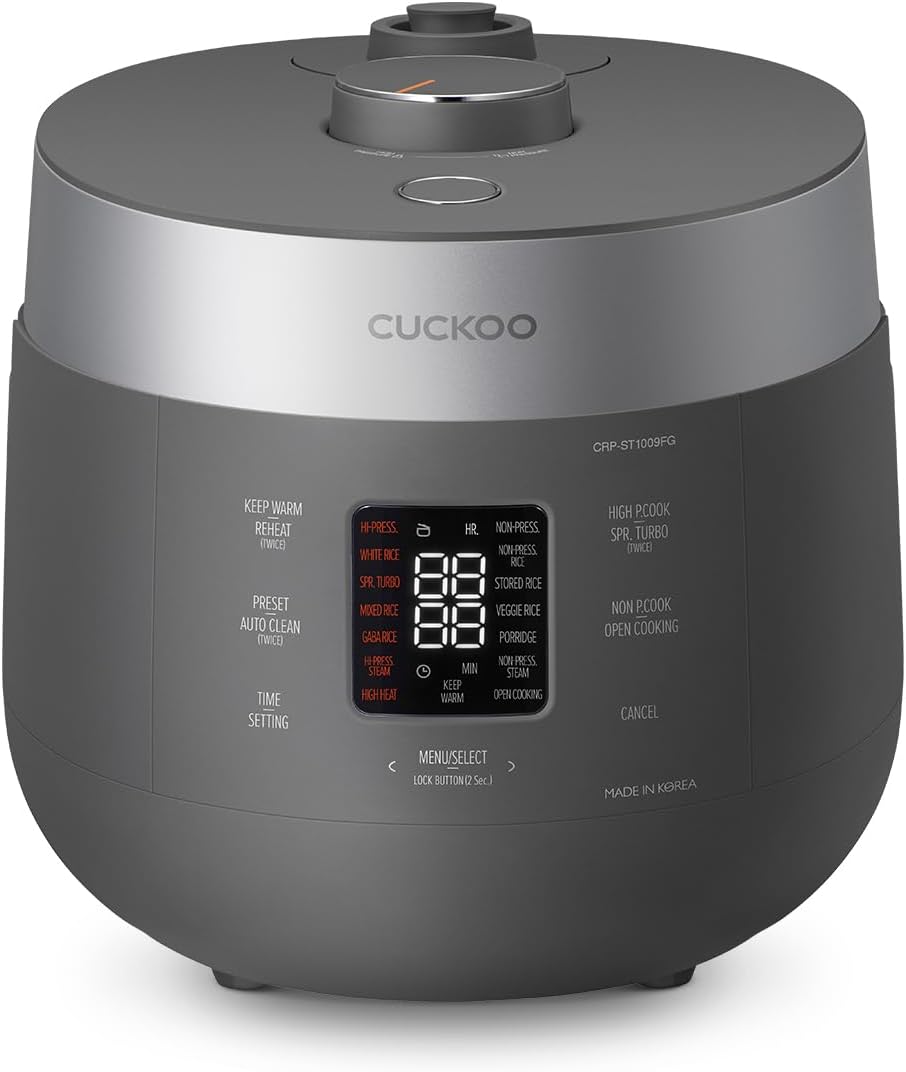
The Best Rice Cookers of 2026: Ranked and Reviewed
Our 2026 top pick is the Zojirushi NS-ZCC10 for premium users and the Aroma ARC-914SBD for budget buyers. Both deliver exceptional value in their price class.
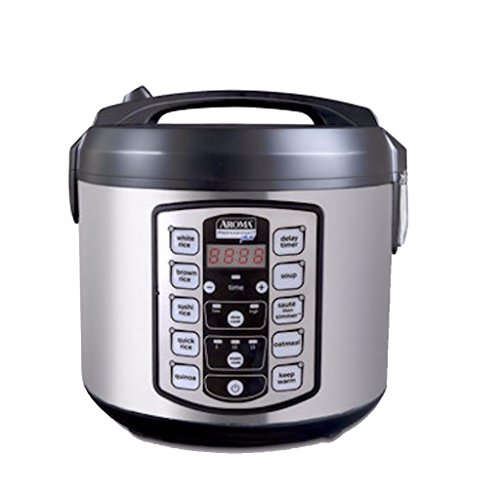
Aroma ARC-914SBD Review: The Budget King
The best rice cooker under $50. It cooks white rice perfectly, handles brown rice competently, and adds steaming capability. For 80% of home cooks, this is all you need.
Ready to Upgrade Your Rice Game?
The Various best-commercial-rice-cookers is waiting for you. Perfect rice, every time.