
Fuzzy Logic Rice Cooker Guide
Clear buying advice for smart rice cookers, from affordable micom models to premium induction and pressure cookers from Zojirushi, Tiger, Cuckoo, and more.
What Is a Fuzzy Logic Rice Cooker?
A fuzzy logic rice cooker is a microcomputer-controlled rice cooker that adjusts heat and timing while the rice cooks. Instead of using a simple on/off thermostat, it reads temperature changes and follows programmed rules for soaking, heating, steaming, and keeping rice warm. That matters most for brown rice, sushi rice, mixed grains, and households that want repeatable texture without adjusting water by trial and error. You do not need fuzzy logic for occasional white rice, but it is usually worth paying for if you eat rice several times a week, use different grain types, or care about hold-warm quality.
Reviews
In-depth analysis of the best fuzzy logic rice cookers on the market.
Recipes
Easy rice cooker recipes, from sushi rice to jambalaya.
Learn
What is fuzzy logic? The science behind your rice cooker.
Guides
Buying guides, comparisons, and tips for every budget and kitchen.
Top Rated Rice Cookers
Our highest-scored reviews based on hands-on testing.
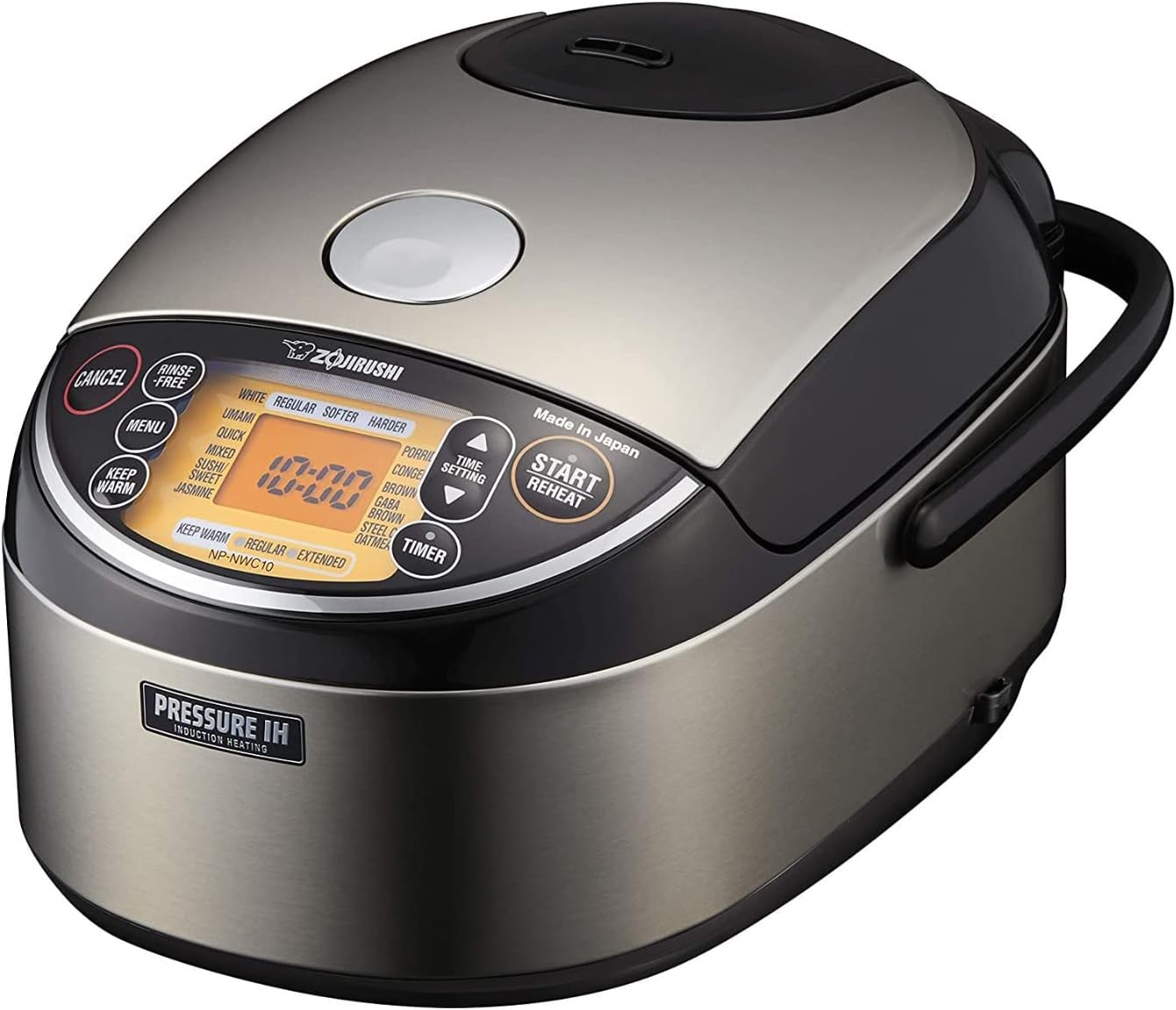
Zojirushi NP-NWC10 Review: The Next-Gen Pressure IH Rice Cooker
Zojirushi | 398.00
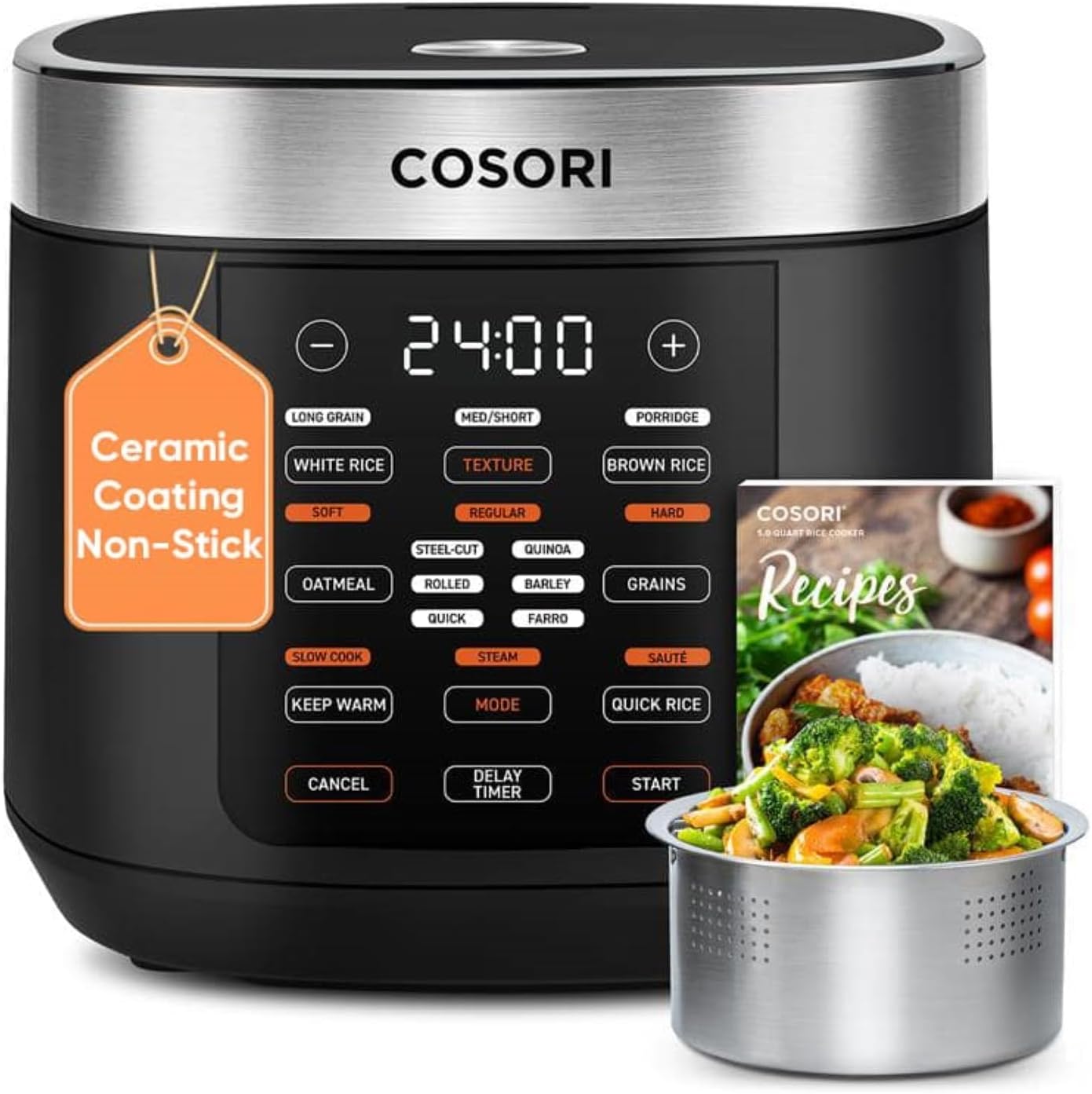
COSORI Rice Cooker Review: The 18-in-1 Fuzzy Logic Powerhouse
COSORI | 121.99
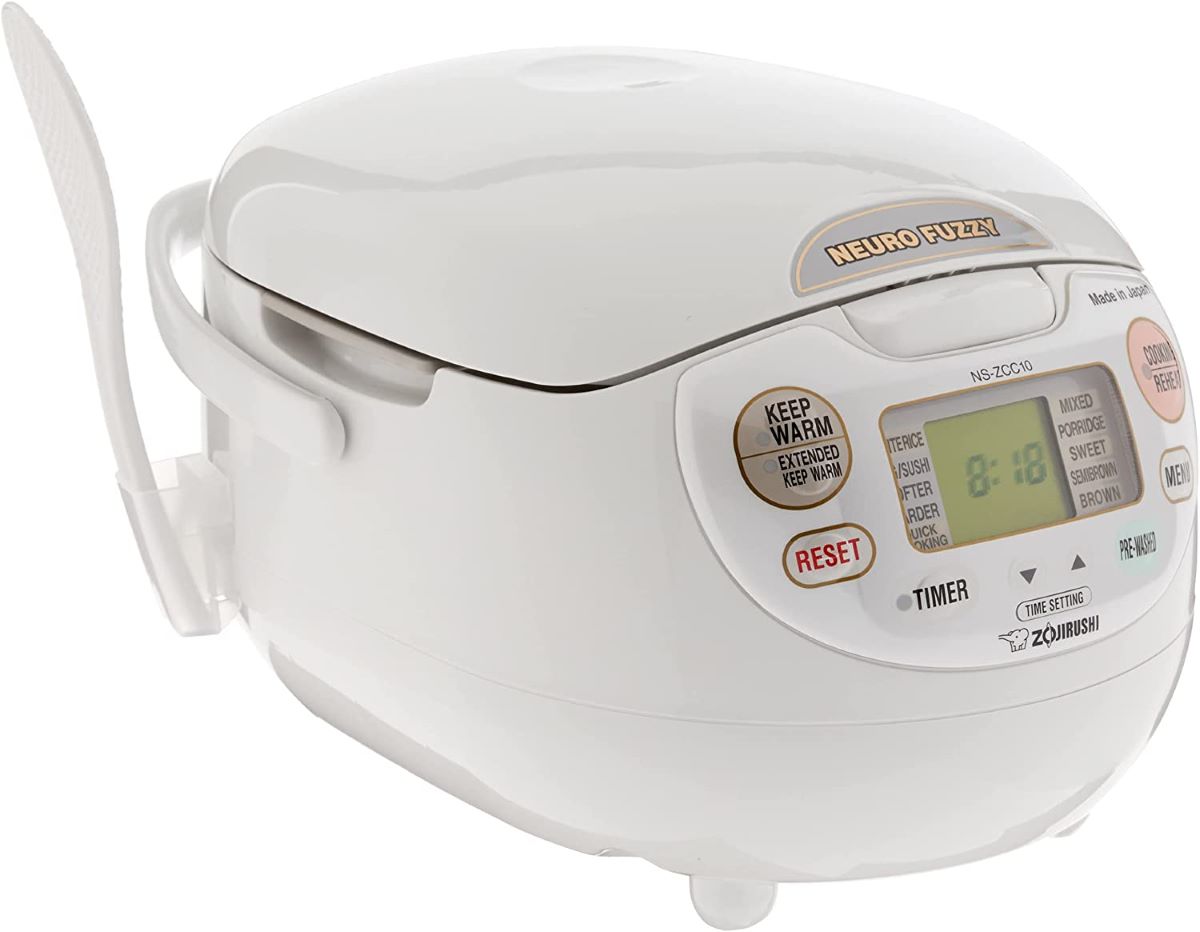
Zojirushi NS-ZCC10 Review: The Neuro Fuzzy Legend
Zojirushi | 198.50

Best Rice Cooker for Multigrain and Mixed Grains (2026)
Cuckoo | 279.99
Latest Guides & Recipes
Fresh content from our rice cooker experts.

Rice Cooker vs. Multicooker: Do You Need Both?
Multicookers like the Instant Pot can cook rice, but a dedicated rice cooker still has advantages. Here is when each makes sense.

Rice and Food Safety: The Bacillus Cereus Danger You Need to Know
Rice is one of the most common causes of food poisoning. The culprit is a heat-resistant bacterium that survives cooking.

A Visual Guide to 15 Common Rice Varieties
From Arborio to Wild Rice, this reference guide covers every variety you will encounter at the grocery store.

Are Rice Cookers Energy Efficient? A Comparison to Other Appliances
Rice cookers are among the most energy-efficient cooking appliances in your kitchen. Here is how they compare.

Choosing the Best Rice for Sushi at Home
Sushi rice is not a variety of rice. It is a preparation method using specific short-grain varieties. Here is what to buy.

Baking Bread in a Rice Cooker: A Beginner-Friendly Recipe
No oven, no problem. A rice cooker produces a soft, pillowy bread with a golden bottom crust.
How Fuzzy Logic Improves Rice
A fuzzy logic rice cooker uses microcomputer chips to make real-time adjustments during the cooking process. Unlike basic on/off rice cookers that simply apply heat until the water evaporates, fuzzy logic cookers continuously monitor temperature, humidity, and time, then adjust heating patterns to match the specific type of rice you're cooking.
The term "fuzzy logic" comes from a branch of mathematics developed in the 1960s by Lotfi Zadeh at UC Berkeley. Instead of simple true/false decisions, fuzzy logic allows for degrees of truth, meaning the cooker can make nuanced decisions like "the rice is almost done, so reduce heat gradually" rather than just "on" or "off." Japanese manufacturers like Zojirushi, Tiger, and Panasonic pioneered this technology in rice cookers during the 1990s.
The practical benefit is significant: fuzzy logic rice cookers produce consistently better results across different rice varieties. Whether you're cooking short-grain Japanese rice, long-grain basmati, brown rice, or even mixed grains, the cooker adapts its cooking cycle automatically. Many models also include settings for porridge, sushi rice, quick cook, and keep-warm modes that maintain optimal texture for hours without drying out.
Premium models take this further with induction heating (IH), which heats the entire inner pot evenly rather than just the bottom. The combination of fuzzy logic and induction heating represents the gold standard in rice cooking technology, producing results that rival traditional Japanese kamado clay pot cooking.
Why Trust Our Reviews?
At Fuzzy Logic Rice Cooker, we take a hands-on approach to every review. Our team purchases or borrows each rice cooker and tests it over several weeks in real kitchen conditions. We cook at least five different types of rice in every cooker: white, brown, sushi, jasmine, and mixed grain. Then we evaluate the results on texture, flavor, consistency, and ease of cleanup.
We also measure practical factors that matter in daily use: how loud the cooker is, how intuitive the controls are, how well the keep-warm function performs after 4, 8, and 12 hours, and how easy the inner pot is to clean. Our ratings reflect real-world performance, not marketing claims.
Our buying guides are updated quarterly to reflect new releases, price changes, and long-term durability findings. We track reader feedback and update reviews when manufacturers release firmware updates or new models. This site is independently operated and reader-supported. We may earn a commission through affiliate links, but this never influences our ratings or recommendations.
Hands-On Testing
Every cooker tested with 5+ rice types over multiple weeks.
Updated Quarterly
Reviews and guides refreshed every 3 months with new data.
Independent & Honest
Affiliate links never influence our ratings or recommendations.